Blog
The Magic of Reading Together

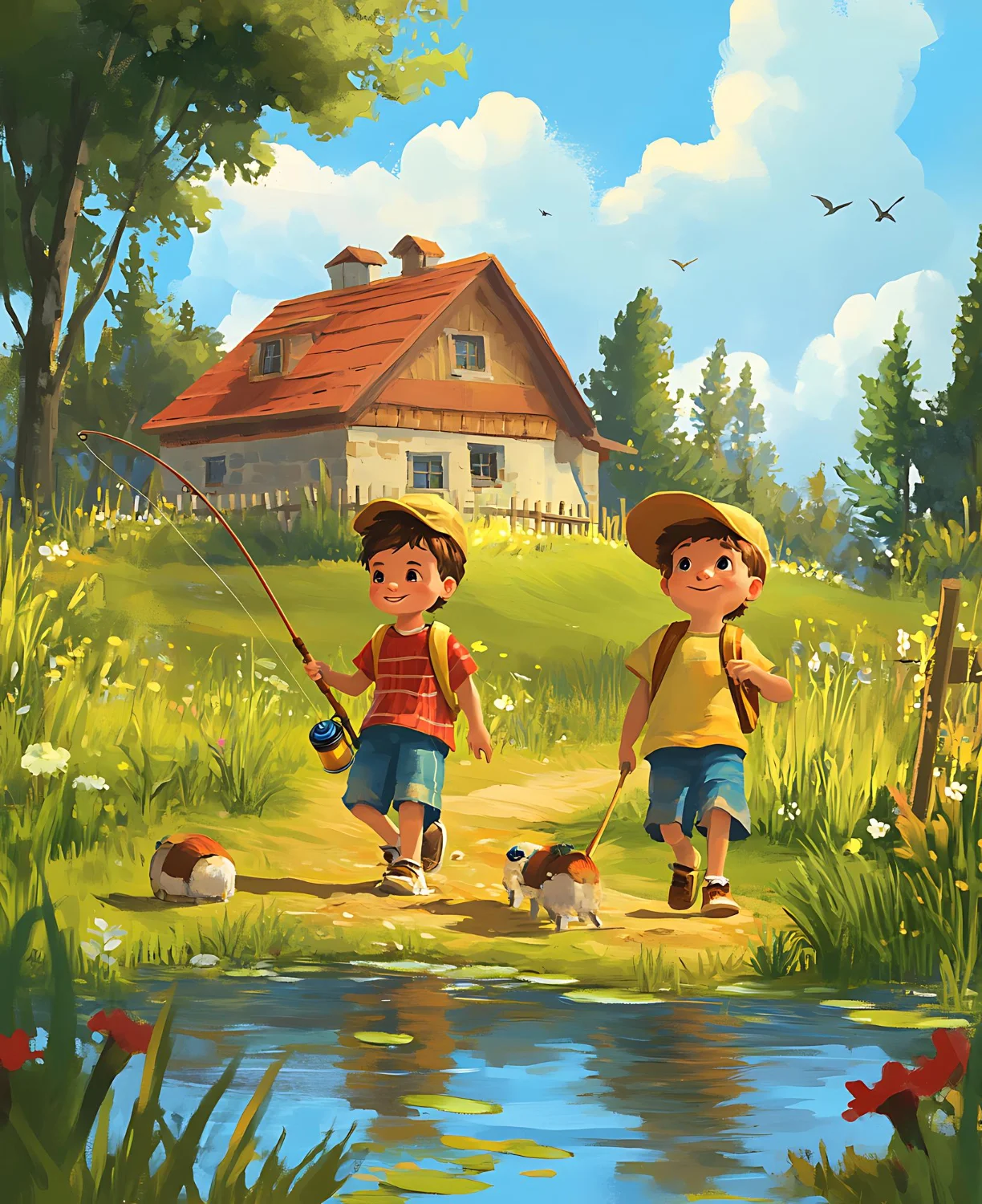
Reading together is one of the simplest ways to turn a children’s book into a shared experience. A story can become a conversation, a game, a guessing challenge, or even the starting point for a completely new adventure.
You do not need a complicated routine. Sometimes, all it takes is a comfortable place, a good book, and a few minutes together.
More Than Just Reading the Words
When adults read with children, they can pause and ask questions about what is happening.
What do you think this character will do next?
Which character would you like to meet?
What would you do if you were there?
Questions like these allow children to participate in the story instead of simply listening to it.
Building a Love of Books
Children are more likely to develop positive feelings about reading when books are connected with enjoyable experiences. Reading together can become a special part of the day—a quiet moment before bedtime, a weekend activity, or a few minutes after school.
Over time, these moments can help children see books as something to enjoy rather than something they have to do.
Let Children Lead
One of the best ways to make reading interactive is to let children take the lead.
If they want to stop and talk about a picture, let them. If they want to guess the ending, encourage them. If they want to read the same favorite story again, there is value in that repetition too.
Children often notice details that adults overlook.
Turn Stories Into Adventures
A book about farm animals can lead to a conversation about animals. A mystery can become a guessing game. A story about friendship can inspire children to talk about their own experiences.
The possibilities are endless because imagination does not stop when the book closes.
Creating Memories One Page at a Time
The most important part of reading together is not how quickly a book is finished. It is the experience of sharing the story.
At LPV Publishing, we create children’s stories with the hope that they become more than books on a shelf. We want them to become stories that families can read together, talk about, and remember.
Sometimes, the smallest reading moments become the ones children remember the longest.